
The Last Click: Net-a-Porter's China Exit and Luxury E-commerce Crossroads
From ambitious entry to strategic exit: lessons from a digital luxury retailer's China journey

After twelve years of attempting to crack the world's largest luxury market, Net-a-Porter is making a quiet retreat from China. The company's announcement of its March 20 closure marks more than just another foreign brand's exit—it signals a fundamental shift in luxury retail's digital aspirations. By April 22, 2025, the platform will cease all operations across its website, app, and various flagship stores on Tmall, Rednote (Little Red Book), and Douyin, marking the end of an era in digital luxury retail.
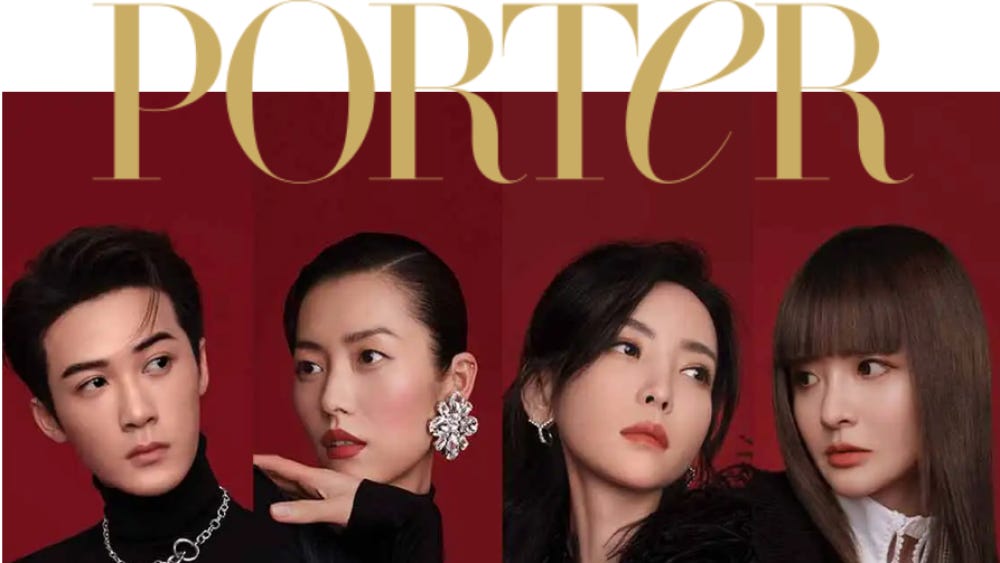
The Digital Silk Road's Evolution
Net-a-Porter's journey in China reads like a textbook case of market transformation. Its 2015 entry, bolstered by a joint venture with Alibaba, seemed perfectly timed to catch China's digital luxury wave. Yet, despite strategic alliances with Alibaba's Tmall Luxury Pavilion and significant investment in local operations, the platform encountered persistent challenges in a market where luxury shopping patterns were evolving in unexpected directions.
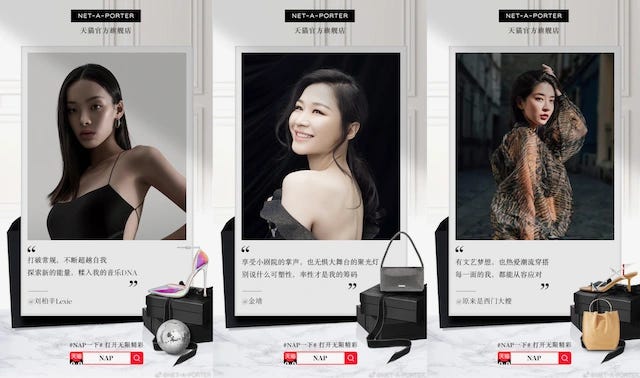
Shifting Tides in Luxury E-commerce
The luxury retail landscape has undergone a profound transformation. José Neves, former Farfetch CEO, noted that 90% of luxury sales still occur through physical channels — a statistic that doesn't signal a rejection of digital commerce but rather indicates a shift toward brand-controlled channels. Major luxury houses have increasingly moved toward direct-to-consumer approaches, fundamentally altering the role of multi-brand platforms.
This shift reflects broader changes in how luxury brands approach digital retail:
- Direct-to-consumer channels now account for 70% of digital luxury sales
- Brand-owned digital platforms show 25% year-over-year growth
- Social commerce integration has become increasingly crucial
- Mobile luxury purchase rates continue to rise
The Authentication Paradox
The dynamics of China's luxury market reveal a critical structural challenge for multi-brand platforms. Leading luxury houses have maintained tight control over their digital presence, with e-commerce platforms accounting for only 20% of their total sales. This strategic choice reflects a broader industry trend: premier brands increasingly favor direct-to-consumer channels, while contemporary and designer labels show greater willingness to embrace third-party distribution, with e-commerce representing up to 65% of their sales.
This bifurcation posed a fundamental challenge for platforms like Net-a-Porter. Unable to secure consistent inventory from the most sought-after luxury houses, such platforms found themselves primarily showcasing contemporary and niche designer brands — a positioning that didn't align with the preferences of China's most discerning luxury consumers.
Market Dynamics and Strategic Realignment
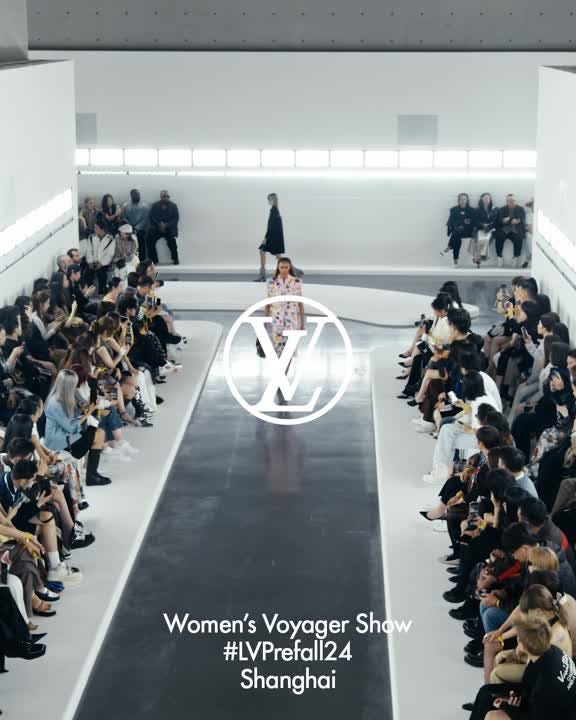
Major luxury houses are actively reshaping their digital presence in China. LVMH's enhanced partnership with Alibaba Cloud in 2024 exemplifies this shift, leveraging AI technology to create personalized shopping experiences across retail and Tmall platforms. Louis Vuitton and Balenciaga have pioneered new approaches to digital engagement, with their Shanghai fashion shows featuring integrated online pre-ordering systems that allow VIP clients first access to runway pieces.
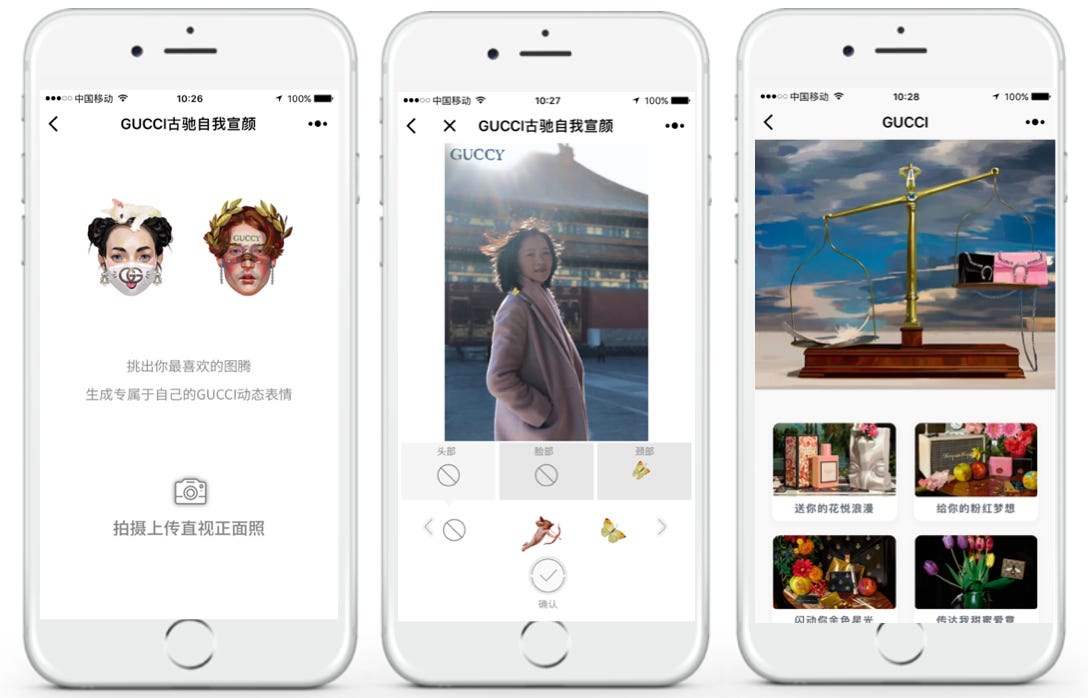
The evolution extends beyond traditional e-commerce. Gucci's WeChat mini-program has become a model for private domain traffic management, while Hermès's tightly controlled online inventory system ensures product exclusivity even in digital channels. Dior's integration of social commerce with its boutique network demonstrates how brands are creating seamless connections between digital discovery and physical retail experiences.
The challenges facing luxury e-commerce platforms extend beyond mere digital adoption. Customer acquisition costs in the luxury sector have risen by 40% since 2020, pushing brands toward more efficient direct relationships with consumers. This shift is evident in how major houses prioritize their distribution: while Chanel maintains a strictly controlled e-commerce presence, Saint Laurent and Bottega Veneta have developed sophisticated omnichannel systems that give their flagship stores priority access to new collections, leaving multi-brand platforms with limited access to prime merchandise.
Future Trajectories
The luxury retail landscape is evolving in several key directions:
Brand-Controlled Digital Ecosystems
- Major houses developing sophisticated omnichannel experiences
- Integration of AI and cloud technology for personalized shopping
- Live-streamed fashion shows with immediate pre-order capabilities
- Private domain traffic becoming increasingly crucial
Changing Distribution Models
- Shift from third-party platforms to brand-operated channels
- Enhanced focus on direct consumer relationships
- Integration of online-offline experiences
- Strategic use of digital tools for customer retention
Beyond the Platform Era
The transformation of luxury retail in China suggests a future where success depends not on platform scale but on relationship depth. As brands strengthen their direct consumer connections, the role of multi-brand platforms will likely evolve from pure retail to experience facilitation.
This evolution doesn't signal the end of digital luxury retail, but rather its maturation. Brands that master the integration of physical presence, digital capability, and direct consumer relationships will likely define luxury's next chapter. The challenge ahead isn't about choosing between digital and physical presence, but rather about creating seamless experiences that preserve the essence of luxury while embracing technological advancement.
Net-a-Porter's exit from China might mark the end of a certain approach to digital luxury retail, but it also heralds the beginning of a more sophisticated era — one where the boundaries between digital and physical, direct and platform, blur into a single, coherent luxury experience.